


Hey there! As a supplier of extrusion profile protection film, I often get asked a bunch of questions. One of the most common ones is, "Can extrusion profile protection film be used on painted profiles?" Well, let's dive right into this topic and figure it out.
First off, let's understand what extrusion profile protection film is all about. It's a type of film that's designed to protect various profiles during handling, transportation, and installation. These profiles can be made of different materials like aluminum, PVC, and more. The main job of this film is to prevent scratches, abrasions, and damage from dirt and other environmental factors.
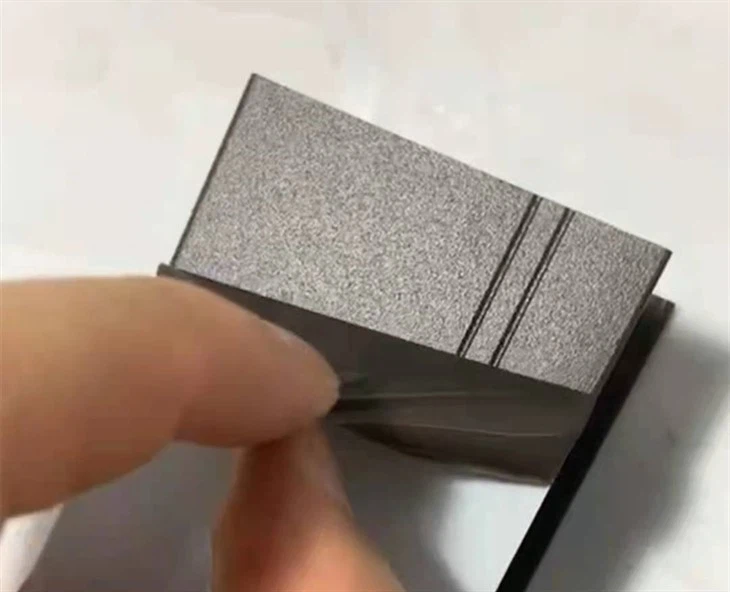

Now, when it comes to painted profiles, things get a bit more interesting. Painted profiles are everywhere – you see them on doors, windows, and all sorts of architectural elements. The paint on these profiles not only gives them a nice look but also provides a certain level of protection. But can we add another layer of protection in the form of extrusion profile protection film?
The short answer is yes, in most cases, extrusion profile protection film can be used on painted profiles. However, there are a few things we need to keep in mind.
Compatibility with the Paint
The first thing to consider is the compatibility between the protection film and the paint. Different types of paint have different chemical compositions. Some paints are more sensitive than others. For example, if the paint is a high - gloss enamel, it might react differently compared to a matte finish paint.
We've done a lot of testing with our UV Resistance Aluminium Window Frame Protection Film. This film is designed to have good UV resistance, which is great for outdoor applications. When we tested it on painted aluminum window frames, we found that it worked well with most common types of paint used in the industry. But we always recommend doing a small test patch first. Apply a small piece of the film on an inconspicuous area of the painted profile and leave it for a few days. Check if there are any signs of discoloration, peeling of the paint, or any other adverse reactions.
Adhesive Strength
Another crucial factor is the adhesive strength of the protection film. If the adhesive is too strong, it might pull off the paint when the film is removed. On the other hand, if the adhesive is too weak, the film won't stay in place and won't provide effective protection.
Our High Textured Aluminium Extrusion Profile Matte Door Frame Protection Film has a carefully formulated adhesive. It's strong enough to stay on the painted door frame during normal handling and transportation but can be easily removed without leaving any residue or damaging the paint. This is achieved through a lot of research and development to find the right balance.
Application Environment
The environment in which the protection film is applied also matters. If the painted profiles are going to be exposed to extreme temperatures, high humidity, or harsh chemicals, the protection film needs to be able to withstand these conditions.
Take our Aluminium Extrusion Profile Protection Tape Over 6 Month Outdoor for example. It's designed for long - term outdoor use. It can handle a wide range of temperatures, from hot summers to cold winters. When used on painted aluminum profiles outdoors, it provides reliable protection for up to six months. But again, the paint on the profiles also needs to be suitable for outdoor use. If the paint is not weather - resistant, the protection film might not be able to fully compensate for the paint's weaknesses.
Benefits of Using Protection Film on Painted Profiles
There are several benefits to using extrusion profile protection film on painted profiles. Firstly, it protects the paint from scratches. During the installation process, there's always a risk of the painted surface getting scratched by tools or other objects. The protection film acts as a barrier, preventing these scratches from happening.
Secondly, it keeps the paint clean. Dust, dirt, and other contaminants can easily stick to the painted surface. The protection film makes it easier to clean the profiles. You can simply remove the film, and the painted surface underneath will be much cleaner.
Thirdly, it can extend the lifespan of the paint. By protecting the paint from UV rays, moisture, and other environmental factors, the film helps to prevent the paint from fading, cracking, or peeling prematurely.
How to Apply the Protection Film on Painted Profiles
Applying the protection film on painted profiles is not that difficult. First, make sure the painted surface is clean and dry. Any dirt or moisture on the surface can affect the adhesion of the film. You can use a mild cleaner to clean the surface and then dry it thoroughly.
Next, carefully unroll the protection film and align it with the profile. Start from one end and slowly press the film onto the painted surface, making sure to smooth out any air bubbles as you go. You can use a squeegee or a similar tool to help with this process.
When it's time to remove the film, do it slowly and at a low angle. This helps to prevent any damage to the paint.
Conclusion
So, to sum it up, extrusion profile protection film can generally be used on painted profiles. But we need to pay attention to factors like compatibility with the paint, adhesive strength, and the application environment. By choosing the right protection film and following the proper application and removal procedures, we can effectively protect the painted profiles and enjoy all the benefits that the film has to offer.
If you're in the market for extrusion profile protection film for your painted profiles, don't hesitate to reach out. We're here to help you find the best solution for your needs. Whether it's for a small DIY project or a large - scale construction job, we've got the products and the expertise to assist you. Let's start a conversation and see how we can work together to protect your valuable painted profiles.
References
- Industry research on paint and protection film compatibility
- In - house testing reports on extrusion profile protection films


