Does cheap crash wrap work well in cold weather?
As a supplier of cheap crash wrap, I often get asked about the performance of our products in different weather conditions, especially cold weather. Cold temperatures can be a challenging environment for many materials, and crash wrap is no exception. In this blog post, I'll explore whether cheap crash wrap can effectively function in cold weather, discussing its properties, performance, and some practical tips for using it in low - temperature situations.
Understanding the Basics of Crash Wrap
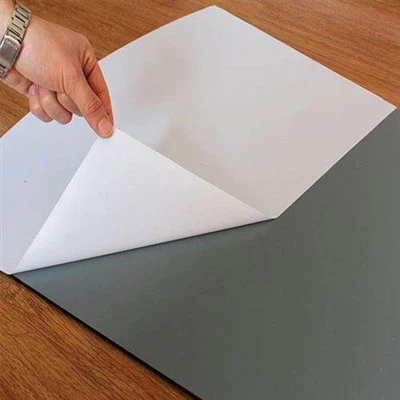
Crash wrap is a self - adhesive plastic film commonly used to cover damaged vehicle windows after a collision. It provides a temporary solution to protect the vehicle's interior from the elements, such as rain, snow, and debris. It is available in various forms, including clear and colored options, and comes in different sizes and thicknesses.
Our company offers several popular products, like the Crash Wrap Clear Plastic Protector, Self - Adhesive Plastic for Auto Collision Windows Windshields. This product is designed to be easy to apply and provides a clear view through the damaged window. Another option is the 36 inch x 200 feet, Blue Collision Wrap for Damaged Vehicles & Car Windows, which offers a large amount of material for covering extensive damage. And the Super Sticky Automotive Crash Film Protects Broken Windows, Interiors – Clean Removal, Tear - Resistant Self Adhering Collision Wrap Film is known for its strong adhesion and durability.
How Cold Weather Affects Crash Wrap
Cold weather can have a significant impact on the performance of crash wrap. One of the primary concerns is the adhesive properties of the wrap. Most adhesives become less sticky in cold temperatures. When the temperature drops, the molecules in the adhesive slow down, reducing its ability to bond effectively to the surface of the window. This can lead to the crash wrap peeling off more easily, especially if there is any wind or vibration.
Another issue is the flexibility of the plastic film itself. In cold weather, plastics tend to become more brittle. A brittle crash wrap is more likely to crack or tear when it is being applied or when it is exposed to external forces. This can compromise its ability to provide a proper seal and protection for the vehicle's interior.
Performance of Cheap Crash Wrap in Cold Weather
When it comes to cheap crash wrap, the performance in cold weather can be a bit of a mixed bag. On one hand, many of these products are made from lower - quality materials, which may be more susceptible to the effects of cold temperatures. The adhesives used in cheap crash wrap may not be formulated to perform well in low - temperature conditions, resulting in poor adhesion and a shorter lifespan.
However, it's important to note that not all cheap crash wraps are created equal. Some manufacturers have managed to develop cost - effective products that still offer reasonable performance in cold weather. These products may use specially formulated adhesives that are designed to remain sticky even at lower temperatures. Additionally, they may use plastics that have better cold - weather flexibility, reducing the risk of cracking and tearing.
Tips for Using Crash Wrap in Cold Weather
If you need to use crash wrap in cold weather, there are several tips that can help improve its performance:


- Pre - warm the wrap: Before applying the crash wrap, you can warm it up slightly. You can do this by leaving it in a warm vehicle or using a hair dryer on a low setting. Warming the wrap can make the adhesive more sticky and the plastic more flexible, making it easier to apply and reducing the risk of cracking.
- Clean the surface: Make sure the surface of the window is clean and dry before applying the crash wrap. Any dirt, moisture, or grease can prevent the adhesive from bonding properly. Use a mild detergent and a clean cloth to clean the window, and then dry it thoroughly.
- Apply the wrap carefully: In cold weather, it's important to take your time when applying the crash wrap. Smooth out any wrinkles or air bubbles as you go, and make sure the edges are firmly pressed down. You may need to use a squeegee or a similar tool to help with the application.
- Inspect regularly: Once the crash wrap is applied, inspect it regularly for signs of peeling or damage. If you notice any issues, you may need to re - apply the wrap or make repairs as soon as possible.
Case Studies and Real - World Examples
To illustrate the performance of cheap crash wrap in cold weather, let's look at a few real - world examples. In a recent case, a customer in a cold climate used our 36 inch x 200 feet, Blue Collision Wrap for Damaged Vehicles & Car Windows to cover a broken window on their car. The temperature at the time was around - 10°C. The customer followed the pre - warming and application tips mentioned above. After a week, the crash wrap was still firmly in place, with no signs of peeling or cracking. The vehicle's interior remained dry and protected from the elements.
On the other hand, another customer used a different brand of cheap crash wrap without following the proper application procedures. The wrap started to peel off within a day, even though the temperature was only slightly below freezing. This shows that proper application and product selection are crucial for the performance of crash wrap in cold weather.
Conclusion
In conclusion, cheap crash wrap can work well in cold weather, but it depends on several factors. The quality of the product, the type of adhesive used, and the application method all play important roles. By choosing a high - quality cheap crash wrap, following the proper application tips, and inspecting the wrap regularly, you can ensure that it provides effective protection for your vehicle's interior in cold weather.
If you're interested in purchasing our crash wrap products or have any questions about their performance in cold weather, we're here to help. Our team of experts can provide you with more information and guidance on choosing the right product for your needs. Contact us today to start a discussion about your crash wrap requirements.
References
- General knowledge about plastic materials and adhesives in cold temperatures.
- Internal product testing data from our company on the performance of crash wrap in cold weather.