Hey there! As a supplier of mirror safety backing, I often get asked whether mirror safety backing affects the mirror's ability to be hung. Let's dive into this topic and explore it in detail.
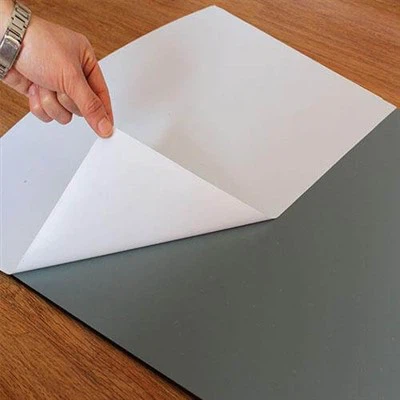
First off, let's understand what mirror safety backing is. Mirror safety backing is a protective layer that is applied to the back of a mirror. Its main purpose is to prevent the mirror from shattering into sharp pieces in case of breakage, thus enhancing safety. There are different types of mirror safety backing, such as Shatterproof Safety Tape for Mirrors Backing Protection CATI, Mirror Safety Backing Film Category II Shatterproof Safety Tape for Mirrors, and Mirror Safety Backing Protective Film CATII ,CATI, Mirror Protection Tape.


Now, let's talk about how mirror safety backing might impact the mirror's ability to be hung.
Weight Consideration
One of the first things to think about is the additional weight that the safety backing adds to the mirror. Most mirror safety backings are relatively lightweight, so in most cases, the extra weight won't have a significant impact on the mirror's hanging ability. However, if you're using a very large mirror or a backing that is particularly thick or heavy, it could potentially affect the type of hanging hardware you need.
For example, if you have a small decorative mirror with a thin safety backing, you can probably use the same type of hanging hardware as you would for a mirror without the backing. But for a large, heavy mirror with a thick safety backing, you might need to upgrade to stronger hooks or brackets to ensure it hangs securely.
Adhesion and Compatibility
Another important factor is the adhesion of the safety backing to the mirror and how it might interact with the hanging process. High - quality mirror safety backings are designed to adhere well to the mirror surface without causing any warping or distortion. This means that the mirror should still be able to hang flat on the wall.
However, if the backing is not applied correctly or if it has poor adhesion, it could cause the mirror to become uneven or even fall off the wall. So, it's crucial to follow the manufacturer's instructions when applying the safety backing. Make sure the mirror surface is clean and dry before applying the backing, and use the right tools to ensure a smooth and even application.
Impact on Mounting Holes
Some mirrors come with pre - drilled mounting holes. When applying mirror safety backing, you need to be careful not to cover these holes. If the backing covers the mounting holes, it can make it difficult or impossible to hang the mirror using the intended hardware.
In some cases, you might need to cut the backing around the mounting holes to ensure that they remain accessible. This requires a bit of precision, but it's an important step to ensure that the mirror can be hung properly.
Hanging Methods
There are different ways to hang a mirror, such as using picture hangers, brackets, or wire. The type of safety backing you use can influence which hanging method is most suitable.
For example, if you're using a safety backing that is very flexible, it might be better to use a wire hanging method. This allows the mirror to hang evenly and helps avoid uneven tension on the backing. On the other hand, if you're using a rigid safety backing, brackets might be a better option as they can provide more support.
Testing and Quality Assurance
Before hanging a mirror with safety backing, it's a good idea to do a quick test. Hang the mirror on a temporary hook or bracket and make sure it hangs straight and securely. Check for any signs of unevenness or movement. If you notice any issues, you might need to adjust the hanging hardware or the application of the safety backing.
As a mirror safety backing supplier, we take quality assurance very seriously. Our products are tested to ensure that they meet high standards of safety and performance. We also provide detailed instructions on how to apply the backing and hang the mirror properly.
Benefits of Using Mirror Safety Backing
Despite the potential considerations when it comes to hanging, the benefits of using mirror safety backing far outweigh any minor challenges. The primary benefit is, of course, safety. In case of breakage, the safety backing holds the mirror pieces together, reducing the risk of injury from sharp shards.
It also helps to protect the mirror from scratches and other damage, which can extend the lifespan of the mirror. Additionally, some safety backings can provide a cleaner, more uniform appearance on the back of the mirror.
Conclusion
In conclusion, mirror safety backing generally does not significantly affect the mirror's ability to be hung. With proper installation and consideration of factors like weight, adhesion, and hanging methods, you can easily hang a mirror with safety backing.
If you're interested in purchasing mirror safety backing for your mirrors, whether it's for residential or commercial use, we'd love to have a chat with you. We can provide you with more information about our products, help you choose the right type of backing for your needs, and offer advice on installation and hanging. Don't hesitate to reach out for a procurement discussion.
References
- Industry standards and guidelines for mirror safety and installation
- Product specifications and user manuals for mirror safety backing products