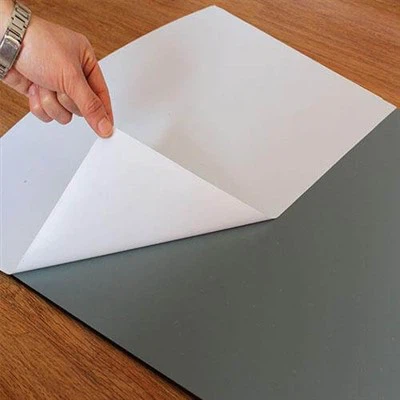
As a leading supplier of aluminium frame protection film, I often receive various questions from customers regarding the installation process. One frequently asked question is: "Can I use a cloth to apply pressure during aluminium frame protection film installation?" In this blog, I will delve into this query, exploring the feasibility, advantages, and potential drawbacks of using a cloth for this purpose.
The Basics of Aluminium Frame Protection Film Installation
Before we discuss the use of a cloth, it's essential to understand the general process of installing aluminium frame protection film. Aluminium frame protection films, such as the High Textured Aluminium Extrusion Profile Matte Door Frame Protection Film, Aluminium Extrusion Profile Protection Tape Over 6 Month Outdoor, and UV Resistance Aluminium Window Frame Protection Film, are designed to safeguard aluminium frames from scratches, dirt, and other damages during transportation, storage, and installation.
The installation process typically involves cleaning the aluminium frame surface thoroughly to remove any dust, grease, or debris. Then, the protection film is carefully applied to the frame, starting from one end and gradually smoothing it out to ensure proper adhesion. Applying pressure during this process is crucial to eliminate air bubbles and ensure a tight fit.
Using a Cloth for Pressure Application
Using a cloth to apply pressure during aluminium frame protection film installation is a common practice, and it can be an effective method in many cases. Here are some reasons why using a cloth can be beneficial:
1. Soft and Gentle
A cloth is a soft and gentle material that can be used to apply pressure without scratching or damaging the surface of the aluminium frame or the protection film. This is particularly important when dealing with delicate or high - gloss aluminium frames, as any scratches can significantly affect the appearance of the frame.
2. Even Pressure Distribution
A cloth can help distribute pressure evenly across the surface of the protection film. When you press down on the film with a cloth, the pressure is spread out, reducing the risk of creating uneven areas or air bubbles. This results in a more professional and aesthetically pleasing installation.
3. Absorbency
Some cloths have absorbent properties, which can be useful if there is any moisture on the aluminium frame surface. By using an absorbent cloth, you can remove excess moisture, ensuring better adhesion between the protection film and the frame.
Potential Drawbacks of Using a Cloth
While using a cloth has its advantages, there are also some potential drawbacks that you should be aware of:
1. Lint and Fibers
Certain types of cloths may leave lint or fibers on the surface of the protection film. These lint and fibers can be difficult to remove and may affect the appearance of the film. To avoid this, it's important to choose a lint - free cloth, such as microfiber cloths, which are designed to minimize lint and fiber shedding.
2. Inadequate Pressure
In some cases, a cloth may not provide enough pressure to ensure proper adhesion of the protection film. If the pressure is too light, air bubbles may form between the film and the frame, which can compromise the effectiveness of the protection. To overcome this, you may need to apply more pressure or use additional tools in combination with the cloth.
3. Contamination
If the cloth is not clean, it can transfer dirt, dust, or other contaminants to the surface of the protection film or the aluminium frame. This can reduce the adhesion of the film and may even cause damage to the frame over time. Therefore, it's crucial to use a clean cloth and ensure that it is free from any contaminants before using it for pressure application.
Best Practices for Using a Cloth in Installation
If you decide to use a cloth to apply pressure during aluminium frame protection film installation, here are some best practices to follow:
1. Choose the Right Cloth
As mentioned earlier, choose a lint - free cloth, such as a microfiber cloth. Microfiber cloths are soft, absorbent, and do not shed lint, making them ideal for this purpose. You can also use a clean, soft cotton cloth, but make sure to check for lint before using it.
2. Clean the Cloth
Before using the cloth, wash it thoroughly to remove any dirt, dust, or contaminants. You can use a mild detergent and warm water to clean the cloth, and then rinse it well and let it dry completely.
3. Apply Even Pressure
When applying pressure with the cloth, start from one end of the protection film and work your way across the surface. Use a smooth, continuous motion to ensure even pressure distribution. If you encounter any air bubbles, gently press on them with the cloth to release the air.
4. Combine with Other Tools
If you find that the cloth alone does not provide enough pressure, you can combine it with other tools, such as a squeegee. A squeegee can help remove air bubbles more effectively and provide additional pressure to ensure a tight fit.


Conclusion
In conclusion, using a cloth to apply pressure during aluminium frame protection film installation can be a viable option, as long as you take the necessary precautions. It offers several advantages, such as softness, even pressure distribution, and absorbency. However, it also has some potential drawbacks, such as lint and fiber shedding, inadequate pressure, and contamination. By following the best practices outlined above, you can ensure a successful installation and protect your aluminium frames effectively.
If you are interested in purchasing high - quality aluminium frame protection films, such as the High Textured Aluminium Extrusion Profile Matte Door Frame Protection Film, Aluminium Extrusion Profile Protection Tape Over 6 Month Outdoor, or UV Resistance Aluminium Window Frame Protection Film, please feel free to contact us for further details and to discuss your specific requirements. We are committed to providing you with the best products and services to meet your needs.
References
- General knowledge of aluminium frame protection film installation techniques.
- Product specifications and usage guidelines of aluminium frame protection films.